In Duluth, One Median Price Is Hiding Four Different Markets
August 13, 2026
August 13, 2026
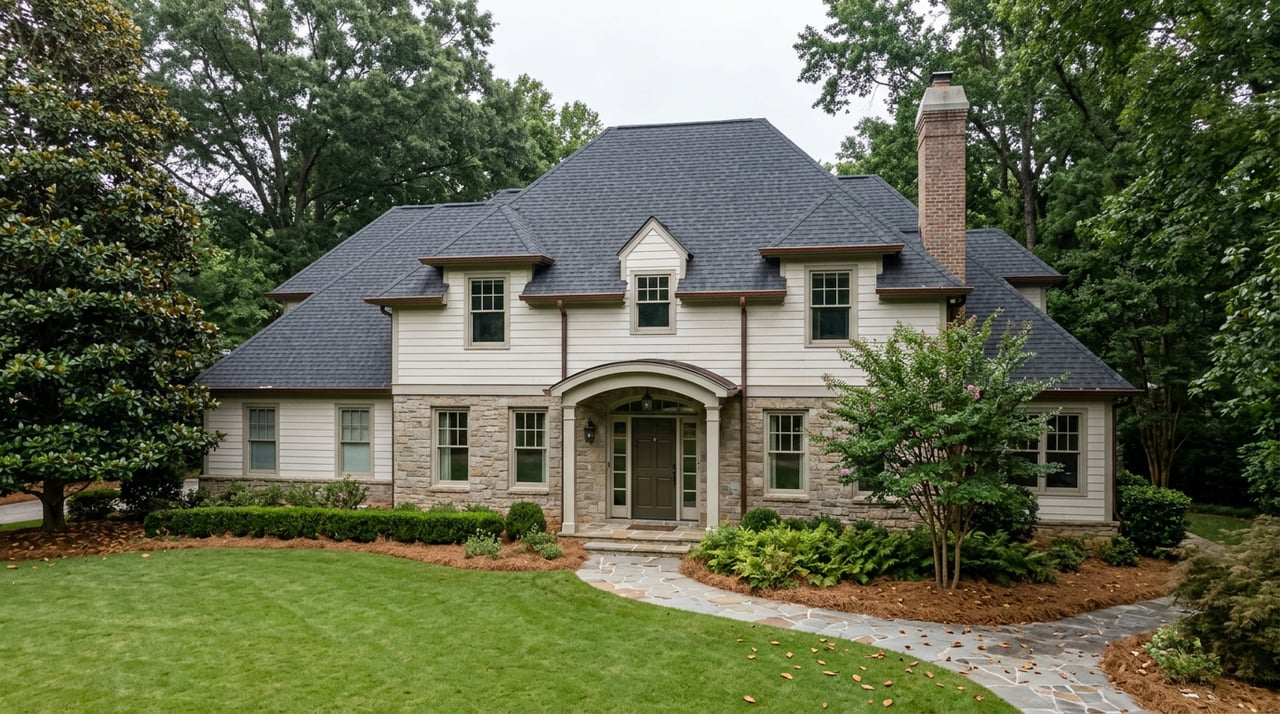
Two people could set the identical search alert this spring, "Duluth, GA, single-family, up to $475,000," and end up touring nothing alike. One gets matches inside the swim and tennis neighborhoods that ring downtown: 1990s and 2000s construction, updated kitchens, a quarter acre out back. The other gets matches on the edge of a gated golf community, a four-sided brick home backed up against a country club fence line, with an HOA statement the first buyer never has to think about. Same number in the search bar. Two different products, two different sets of carrying costs, two different neighborhoods that barely overlap.
That gap is the actual story in Duluth right now, more than any single price point a portal will hand you. The citywide median gets quoted like it describes one market. It actually describes an average across at least four of them.
Ask what Duluth homes cost in 2026 and you'll get answers that don't quite agree, and the disagreement itself is informative. Zillow's Home Value Index put the average home value at $447,344 as of its late-May 2026 update, down 2.6% over the prior year, with homes moving to pending status in around 27 days. Redfin, tracking the three months ending May 2026, put the median sold price at $489,000, down 5.1% year over year, with homes taking a median of 44 days to sell, compared with 29 days the year before. Movoto's May 2026 read landed within a rounding error of Redfin's, at a $490,000 median sold price.
Two independent trackers landing a thousand dollars apart on May 2026 closings is a decent gut check that the sold-price figure is real. But notice what's happening between the 27-day pending clock and the 44-day closing clock: roughly two and a half weeks where a deal that's technically "under contract" is still being worked. That stretch is where inspection negotiations, appraisal questions, and repair requests tend to happen. A shorter gap usually means fewer surprises after the offer. A longer one usually means more back-and-forth before the closing table. Duluth's current gap is wide enough that a buyer should plan for that conversation, not be caught off guard by it.
Redfin also recorded 111 homes sold in Duluth in May 2026, down from 125 the year before. Fewer transactions competing for attention, combined with a longer time to close, points toward a market where a buyer has more room to ask questions before signing anything, not less.
The median sale price sits in the high $400s. Almost nobody actually buys "the median." They buy one of a few distinct products that happen to share a city limit.
| Tier | Price band | What it actually is | Who it fits |
|---|---|---|---|
| Entry | Below $350,000 | Condos, older townhomes, a handful of smaller single-family homes in established neighborhoods | First-time buyers, investors |
| Core | $350,000–$500,000 | Swim and tennis single-family homes, updated ranch homes on larger lots near downtown, newer townhome communities | Most of the current buyer pool |
| New-build, in-town | Priced by unit, separate from resale | Urban-style townhomes such as Evanshire, built by The Providence Group near downtown Duluth | Buyers trading yard space for walkability |
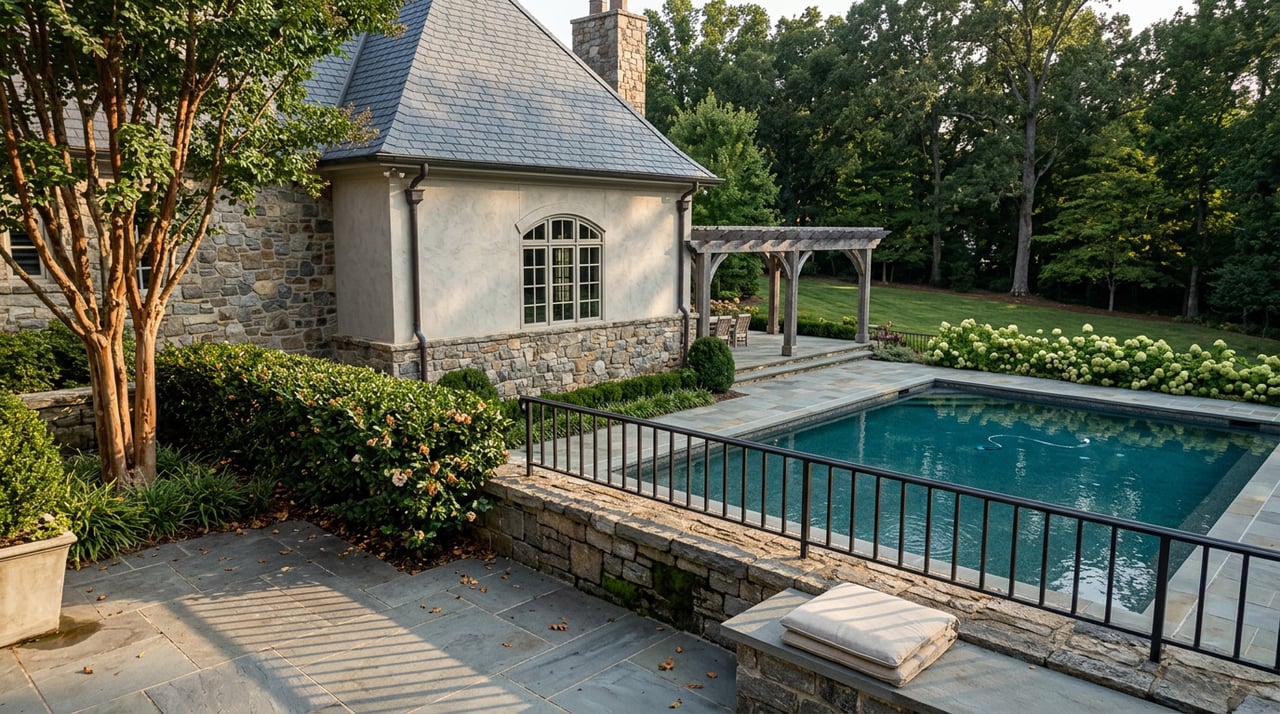
| Country club | Above $1 million | Custom, gated homes in Sugarloaf Country Club and St. Marlo, golf-centric, HOA dues layered on top of the purchase price | Move-up and luxury buyers seeking golf-community amenities |
The entry tier and the core tier sit close enough that a buyer can move between them by adjusting square footage or commute distance. The jump from the core tier to the country club tier is not that kind of adjustment. It's a different type of ownership entirely, with its own governance, its own fee schedule, and often its own zip code.
Two homes can list for close to the same number and still cost meaningfully different amounts to hold month to month, because the price on the listing doesn't include what the HOA charges to belong to the neighborhood.
None of that shows up in a median price comparison. A buyer comparing two homes priced within $10,000 of each other could be comparing a $550-a-year lake membership against a $2,750-a-year country club bill plus a separate golf fee. Ask for the HOA's current budget and reserve study before writing an offer in any gated or amenity-driven Duluth neighborhood. It's a document that tells you more about the real monthly cost than the sale price does.
A 44-day median time on market sounds like a market losing momentum. Redfin's own data shows why that read is too simple: the fastest-moving listings in Duluth are still going pending in around 13 days and selling near list price. The 44-day figure isn't describing one pace. It's averaging a fast lane and a slow lane together.
The fast lane tends to be well-priced core-tier homes: swim and tennis single-family properties priced in line with recent closed comparables, in move-in condition, in the school-district and commute band that most buyers in that price range are shopping. The slow lane tends to be everything that asks a buyer to make a tradeoff: a country-club home carrying the weight of its own dues structure, an older entry-tier property that needs work priced like it doesn't, a listing sitting slightly outside its tier's normal band.
For a buyer, that split is useful information. If a listing has been sitting well past 13 days, that's not automatically a red flag. It might mean the home is priced for a narrower slice of buyers, in which case there's real room to negotiate on price, closing costs, or repair credits. It might also mean the price hasn't caught up to where its tier actually sits. Either way, the listing's specific number of days on market tells you more than the citywide average does.
Resale in Duluth splits into the tiers above because it's inheriting decades of existing lots, HOA structures, and architectural choices made by other people. New construction near downtown doesn't inherit any of that. The Providence Group's Evanshire development is building urban-style townhomes in a walkable location close to downtown Duluth, which is a genuinely different product from anything in the resale tiers: no quarter-acre lot, no country club dues, no 1990s floor plan to update. It's priced on its own terms, and it's worth evaluating on its own terms rather than trying to slot it into the "core" or "country club" comparison. A buyer weighing walkability against yard space is answering a lifestyle question, not just a budget one.
Does the longer time on market mean Duluth is a weaker place to buy right now? Not on its own. It means the market has stretched into a fast lane and a slow lane instead of moving as one pace, and it means there were fewer closings in May 2026 than the year before. For a buyer, that combination generally translates into more time to think, more room to ask for repairs or credits, and less pressure to waive contingencies just to compete.
Is there a lower-cost way into a country-club address without the full country-club price? Sometimes. Sugarloaf Park sits immediately adjacent to Sugarloaf Country Club and carries its own, much smaller HOA structure rather than the country club's dues and golf fees. It's the kind of lane worth asking a local agent to pull current, specific comps on, since these micro-neighborhoods move differently than the tier averages around them.
If you're trying to figure out which of these four Duluth markets actually fits your budget and your list of must-haves, that's exactly the kind of comparison worth working through with someone who tracks these neighborhoods closely rather than guessing from a portal average. Lisa Gelber has spent more than 27 years in North Fulton and Forsyth, and her background as a paralegal and project manager shows up in how carefully she walks buyers through pricing tiers, HOA documents, and the fine print that separates one Duluth home from another that only looks the same on paper. Let's connect and figure out which tier you're actually shopping in.
This article is general information, not legal, tax or financial advice. Consult a qualified professional about your situation.
Stay up to date on the latest real estate trends.
Lisa combines decades of local knowledge, professional organization, and responsive communication to create a smooth and successful real estate experience. Every client receives personalized attention and trusted guidance throughout the entire process.