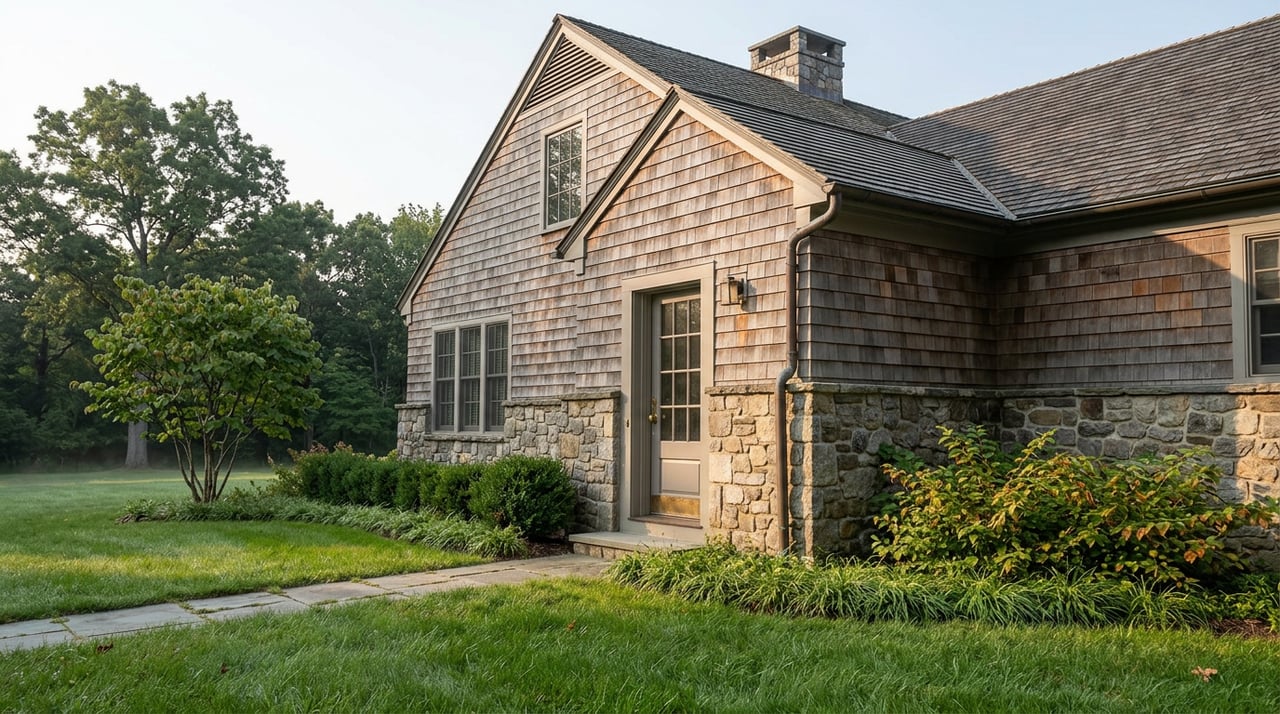
Milton Septic and Well Systems: Due Diligence for Buyers and Sellers
August 13, 2026
August 13, 2026
A house in Crabapple or Crooked Creek goes under contract in a week, sometimes less. Then, ten days into due diligence, the deal slows over something nobody thought to ask about at the showing: whether the septic tank was ever permitted, and when it was last pumped. That pause happens more often in Milton than most sellers expect, and it happens for a specific reason. The price band where Milton homes sell fastest is largely the same price band where septic and well systems are the norm, not the exception.
Most people assume septic is a Birmingham Road problem, something that comes with forty acres and a barn. It isn't. It's a Crabapple problem, a Crooked Creek problem, and a White Columns problem too. Understanding why changes how a seller should prepare and how a buyer should read a due diligence clock.
Milton's own guidance on the subject is direct: the city doesn't bill for water and sewer, since that service runs through Fulton County, and septic systems are "generally in use for lots one acre and over." A large share of Milton's residential lots clear that bar. The city's rural character is protected by AG-1 agricultural zoning, which sets a four-acre minimum in the areas built around horse farms and open pasture, and that zoning stretches from the Birmingham corridor down through Deerfield and into the edges of Crabapple itself.
Septic touches the golf-course subdivisions too. Crooked Creek, built out between 1995 and 2006 on lots that support homes from roughly 2,800 to over 10,000 square feet, and White Columns, anchored by its Tom Fazio-designed course, both sit on the kind of acreage where septic and well service is standard rather than unusual. So does much of the newer infill near Crabapple, where developments like Echo at Crabapple and Heatherton have gone up alongside older, larger-lot streets still running on the systems they were built with.
This matters because septic and well due diligence isn't a specialty concern reserved for the $4 million estates along Birmingham Road. It's baked into how most Milton transactions actually close.
The Georgia Department of Public Health says Georgia doesn't require a point-of-sale septic inspection anywhere in the state. What forces the issue is the lender. FHA, VA, and most conventional loans require documented proof of a functioning system before they'll fund, which means due diligence almost always includes an inspection whether or not the law demands one. The question isn't whether the system gets checked. It's when, and how much runway there is if something turns up.
That's where Milton's price tiers start to matter. MLS data for Milton's 30004 ZIP code showed a median sold price of $1.1 million as of June 2026, with days on market compressing from 77 in January to 37 by June, a sign of how much the spring and summer market tightened. But that citywide number hides a split that lines up almost exactly with where septic systems are most common.
| Price tier | Example areas | 2026 pace | What a septic surprise costs you |
|---|---|---|---|
| Entry tier, roughly $835K to $950K | Crabapple-adjacent streets | Redfin's competition index for this submarket runs near 74 out of 100, with homes moving in about a week | A flagged system can lose the contract to a backup offer before there's time to fix anything |
| Established sub-$1.8M tier | Crooked Creek and similar Crabapple-adjacent communities | Absorption in the 20 to 30 day range as of mid-2026 | The same tight window, with more variation in tank age and size to discover late |
| Golf-community tier, roughly $1.6M | White Columns | Averaged 42 days on market as of March 2026 | More cushion, but larger footprints and irrigation demands raise what the system has to handle |
| Estate and equestrian tier, $3 million and up | The Manor Golf and Country Club, Birmingham Road corridor | 60 plus days | Slower pace, but systems tend to be larger and more advanced, so repairs run higher when they're needed |
The pattern is the opposite of what most buyers assume. The homes moving in a week or two, the ones in the hottest, most competitive slice of the Milton market, are the ones where a seller has the least room to discover a septic problem mid-contract and still keep the deal together. A backup offer doesn't wait for a pump-out. Meanwhile, the slower-moving estate tier along Birmingham Road gives everyone more time to work through an issue, but the systems themselves get more complicated. Local installers who work Milton's steep terrain and tighter conservation buffers report more advanced treatment systems out that way than in flatter subdivisions closer to town, and those systems cost more to fix when something goes wrong.
None of this requires a state mandate to matter. A seller who shows up with permit records and a recent pump-out receipt is handing the buyer's lender exactly what it's going to ask for anyway, on the seller's timeline instead of during a rushed due diligence period. One North Georgia septic company put it plainly: a clean paper trail "turns that line from a liability into a feature" on Georgia's seller disclosure form, where the sewage system section otherwise sits as an open question mark.
For a Milton seller on septic, that preparation looks like this before the home ever hits the market:
For properties on private wells, which often accompany septic on the same acre-plus lots, the checklist runs in parallel. Georgia's rules require minimum setbacks of 50 feet between a well and a septic tank, 100 feet from a drain field, and 150 feet from a cesspool, and that well-to-septic distance is one of the more common flags on VA appraisals in older Milton neighborhoods that predate current standards. The Georgia Department of Public Health recommends annual bacterial testing and a chemical screening, known as the W33C panel, every three years. Buyers financing with a VA loan should know that Veterans United says water test results are only valid for 90 days from certification, so ordering one too early in a slow-moving contract can mean ordering it twice.
Does Georgia require a septic inspection before I can sell my Milton home? No. There's no statewide mandate. What effectively forces an inspection is the buyer's lender, since FHA, VA, and most conventional loans require proof of a functioning system before they'll close.
How do I find out if my septic system was ever permitted? Contact the Fulton County Board of Health's environmental health division. Milton septic permits run through the North Fulton office in Alpharetta, and that same office keeps records of past installations and modifications for the property.
Does every well need a water test before closing? Only when a loan program requires it, though it's worth doing regardless of financing given how much a failed well can cost to fix. According to VA Loan Network, VA loans require testing on any property with a private well. Results expire after 90 days.
How much lead time should I build in for septic and well due diligence? As much as possible, because Milton's fastest-moving price tier, the sub-$1.8 million homes concentrated around Crabapple and Crooked Creek, often sells in 20 to 30 days. That describes time on the market, not time to resolve a septic issue mid-contract. Handling septic issues before listing can reduce the risk of delays during due diligence.
Septic and well systems don't show up on a listing photo, but they shape how a Milton closing actually goes, especially in the price range where offers come in fast and backup buyers are already waiting. Sorting out the paperwork before a home hits the market, rather than after an inspector finds a gap in it, is the kind of detail that keeps a good contract from becoming a complicated one.
If you're preparing to sell a Milton home on septic or well, or you're a buyer trying to understand what a property's system means for your timeline, Lisa Gelber has spent 27 years in this community and 14 years managing exactly this kind of documentation as a paralegal before real estate. Let's Connect to talk through what your specific property and price point need before you list or write an offer.
This article is general information, not legal, tax or financial advice. Consult a qualified professional about your situation.
Stay up to date on the latest real estate trends.






Lisa combines decades of local knowledge, professional organization, and responsive communication to create a smooth and successful real estate experience. Every client receives personalized attention and trusted guidance throughout the entire process.